

Someone reading this is the person who will save Jason’s life.
Could that person be you?
Donating one of your kidneys to save another person’s life is a special act of heroism. Could part of your life’s purpose be to meet this moment?

Meet Jason
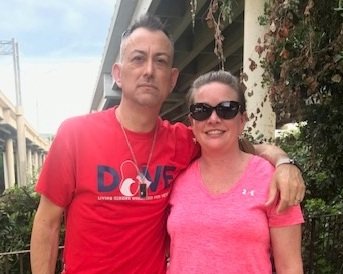
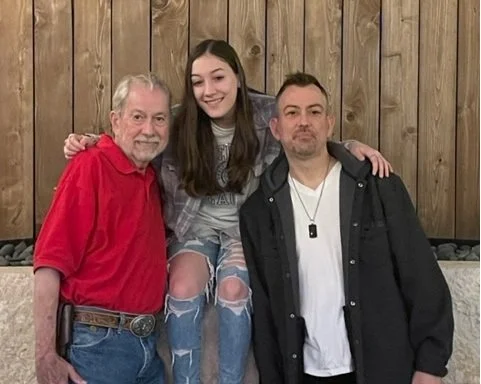
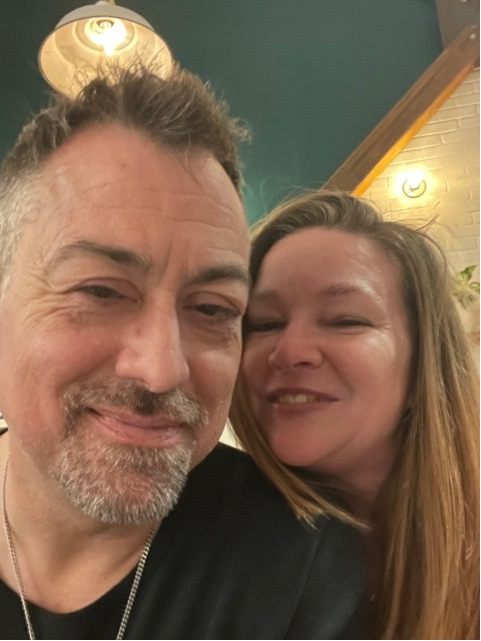
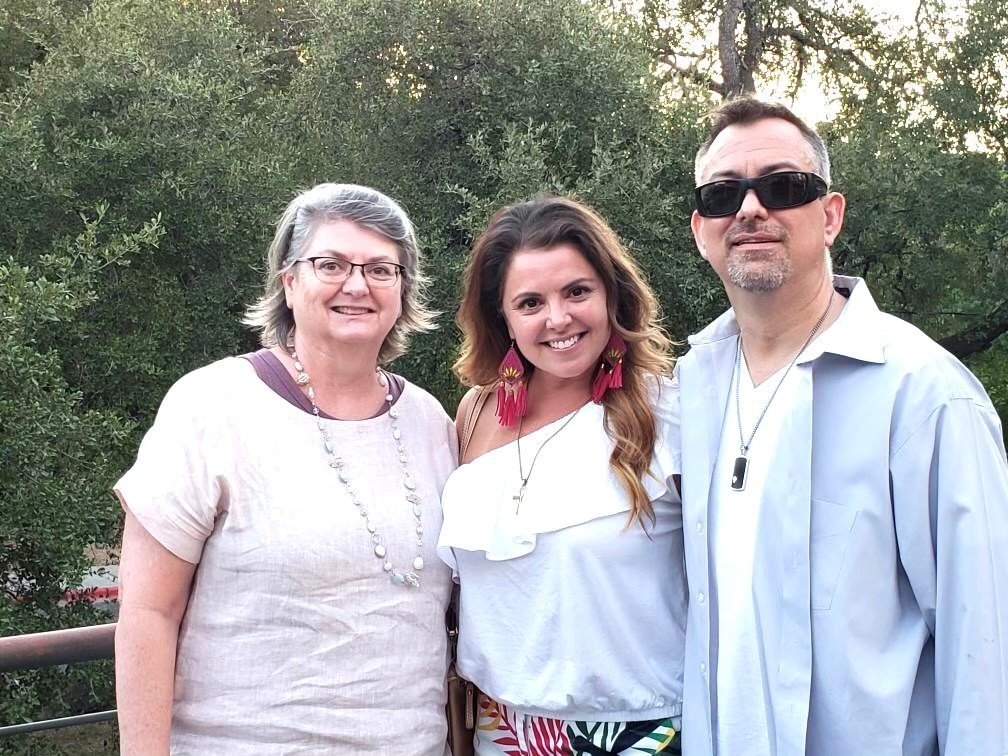
Jason is 50 years old, married to Tricia, and has an 21-year-old daughter, Alicia. He has an infectious sense of humor and cares deeply about his family, his faith, and his country. He served in the US Army and the Army Reserves for 7 years. He earned his Masters Degree in Business and loved working with businesses before his kidneys began to fail him.
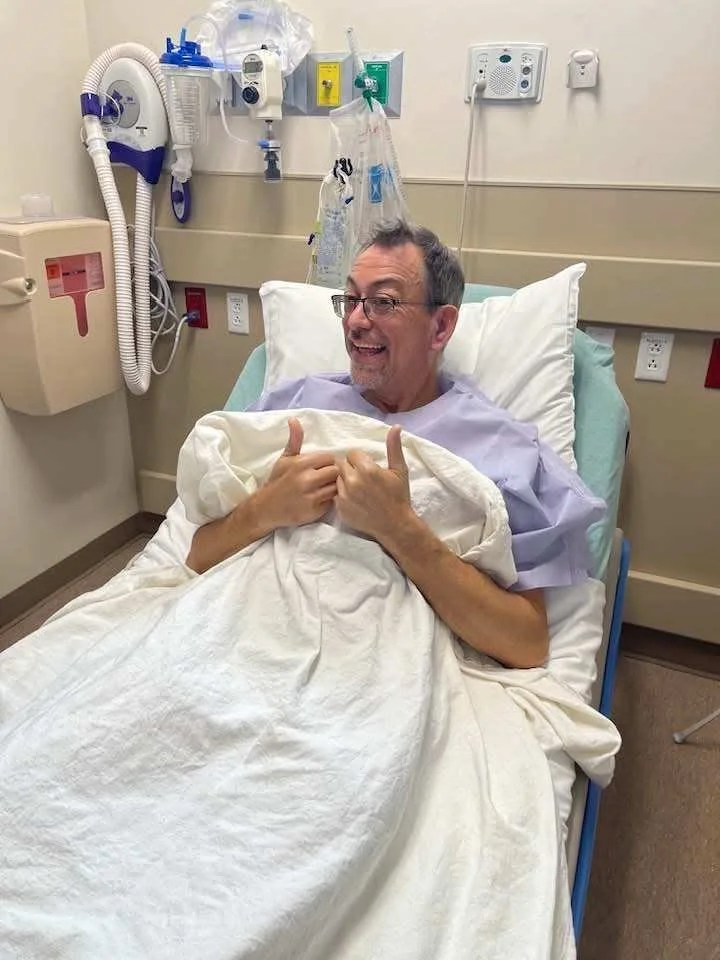
Jason was diagnosed with IgA Nephropathy at the age of 31. Unlike more traditional kidney diseases, his immune system is literally attacking his kidneys and aggressively shutting them down. He has courageously battled this disease with medication, a strict diet, and undergoing dialysis four times a week. Thanks to an incredibly supportive boss, Tricia is able to flex her working hours and regularly work from home so that she can administer Jason’s dialysis. Together, they battle Jason’s illness as a team, although it is both a physical and a financial hardship to fight this disease. If he does not get a transplanted kidney within the next 12 months, his prognosis is not good. If you have an O- blood type, you could be THE ONE!

LATEST NEWS & UPDATES
Follow Jason’s Journey — the story of one veteran, one hero donor, and two lives forever changed.

How Can I Help?

About living kidney donation and the paired-exchange program

Share Jason’s story on social media

Contribute to offset transplant-related expenses & travel costs
Just the Facts
-
IgA nephropathy occurs when Immunoglobulin A ("IgA"), a protein that helps your body fight infections, gets stuck in kidneys causing inflammation. The inflammation causes your kidneys to leak blood and protein (usually immediately) and over the course of many years, your kidneys can lose function and lead to kidney failure. IgAN is not just a kidney disease. It is a response from the body's immune system to outside irritation (like viruses). The immune response is what affects the kidneys.
Visit the National Kidney Foundation for more information on IgA Nephropathy causes, symptoms, and treatments.
-
In a paired exchange, an incompatible donor/recipient pair is matched with another incompatible donor/recipient pair for a "swap". Each donor gives a kidney to the other person's intended recipient.
Click here to see how a “swap” works.
To learn more about incompatible blood types and paired exchange programs visit the National Kidney Foundation.
-
To be evaluated as a potential kidney donor, you must be:
18 years and older (with the exception of emancipated minors)
At or able to reach a BMI below 35 before surgery.
A nonsmoker or able to quit at least six weeks before surgery.
Not pregnant.
In good physical and mental health
For more information, visit the National Kidney Foundation website.
-
The steps involved to donate a kidney:
Reach out to us and begin a dialogue about possible next steps
Read more about others who have donated a kidney, and why they donated
Ask to be assessed as a potential donor. Jason’s hospital transplant team will take it from there, scheduling and arranging with you the following steps:
Initial blood typing and antibody testing to assess your compatibility or “match” with Jason
Extensive physical evaluation to determine if you are a good candidate for a living donation
Extensive counseling and education about being a kidney donor
Submission of all transplant information to the hospital board for yes/no approval for the transplant
Scheduling of the transplant surgery
Post-operative care
Return to normal activities (typically in about 2 weeks)
-
Jason’s health insurance will cover all medical expenses related to your organ donation, including your evaluation, hospitalization, surgery, follow-up care, and treatment of any surgical complications. In addition, because Jason is a veteran, DOVE, a not-for-profit organization committed to supporting veterans and their donors, helps cover out-of-pocket expenses such as:
Lost wages during the donor's recovery.
If you are asked to travel to a transplant hospital away from home, DOVE will cover your expenses including travel costs (such as plane tickets, etc), lodging expenses during evaluation and recovery, meals, phone calls to home, childcare, etc. In addition, some transplant hospitals offer free or low-cost hospitality houses for you and your family to stay in during the donation process.
-
Various friends and family members have been tested, but were either not compatible or were declined due to age and/or other health issues.
Over 93,000 people in the United States are currently waiting on a kidney donation; over 2000 of these individuals are Veterans. The average wait for a kidney from a deceased donor is 5 years, and Veterans are literally dying waiting for kidneys. Living kidney donors would enable people like Jason to bypass this long wait. When a donor makes a living kidney donation, the odds of the transplant being successful go up dramatically because living donor kidneys have a better chance of being accepted by the recipient's immune system. And the kidney lasts longer: Living donor transplants last 15 to 20 years on average, compared to 10 to 15 years on average for deceased donor transplants. We have found a living donor for Jason, but they are not a “match”. So we need to find someone with an O- blood type to be a living donor “swap” for Jason.

Dialysis is only a temporary solution. And it’s no picnic!
For more detailed information about kidney transplantation and living donation visit the National Kidney Foundation.

Jason has been a warrior all of his life, fighting for those who cannot fight for themselves. Now is our time to fight for him. Someone reading this is the person who will save Jason’s life. Could that be you?

Jason, family, & friends Rukking for DOVE
BE A HERO. HELP A HERO.
You’ll save two lives by helping us find that special someone with an O blood type.
From Jason and the entire family, we thank you in advance for helping us get the word out.
Follow Jason’s Journey @ Help Save A Hero








If you would like to send an encouraging message to Jason, email us at encouragejason@alife2save.org.